1. The Problem
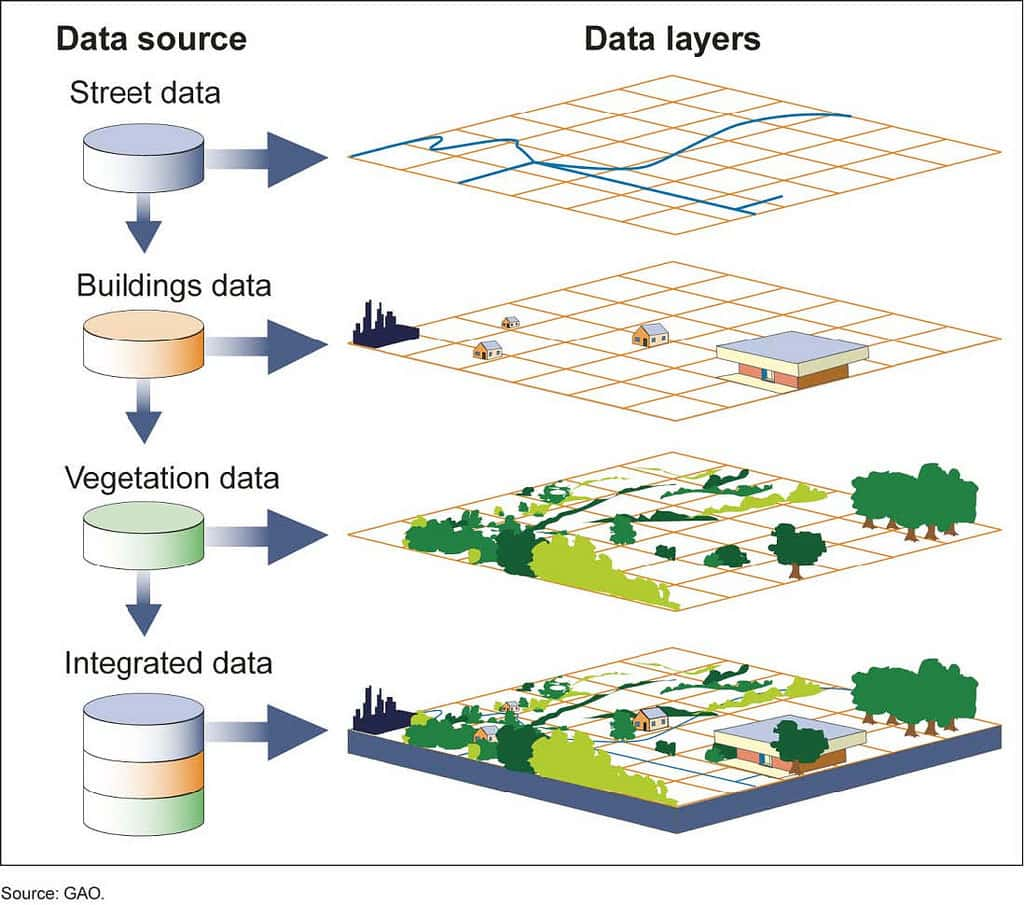
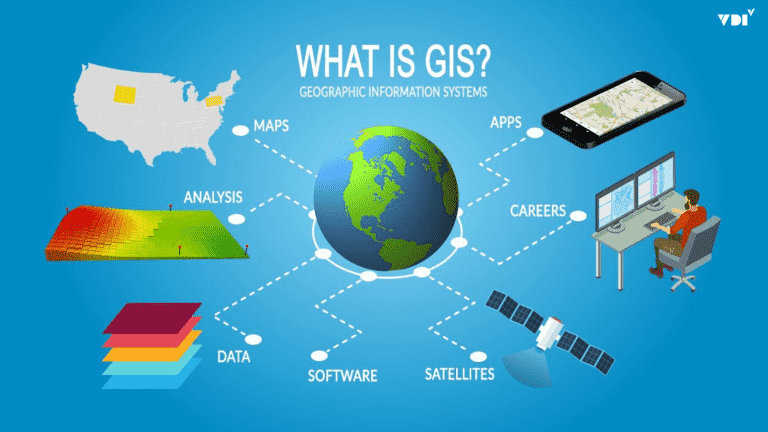
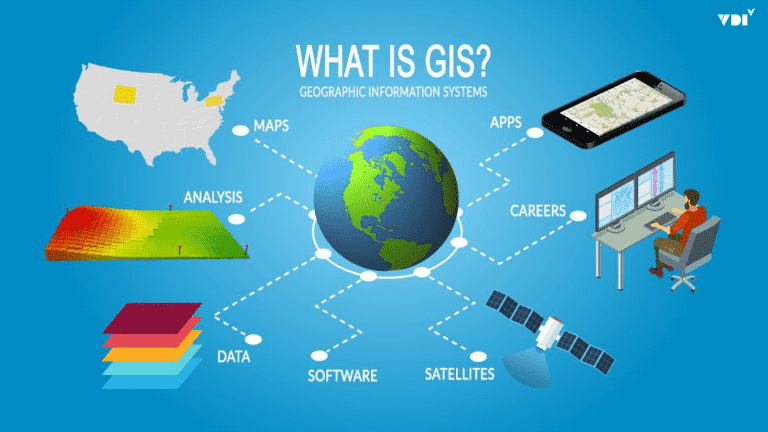
The need to apply GIS in the digital transformation of state agencies in Vietnam is urgent and undeniable. From land management, urban planning, and resource monitoring to transport infrastructure operations, GIS has proven itself a backbone technology that visualizes data and supports effective decision-making.
However, when facing the implementation decision, managers and IT leaders confront a strategic question: Which direction should they choose between a comprehensive Enterprise GIS platform and flexible open source software (OSS) solutions?
This choice is not simply a matter of cost. It directly affects the stability, security, scalability, and sustainability of the entire system in the long term. This article provides a detailed comparison table and an in-depth analysis of Total Cost of Ownership (TCO) to help organizations make the most suitable decision.
2. Detailed Comparison: Enterprise GIS vs. Open Source GIS
| Criteria | Enterprise GIS Platform (e.g., UNIGIS Platform) | Open Source Solutions (e.g., QGIS, GeoServer, PostGIS) |
|---|---|---|
| Comprehensive Features | 🔹 Integrated ecosystem: Provides a comprehensive solution, tightly integrated from Desktop and Server to Mobile. 🔹 Out-of-the-box: Offers many advanced spatial analysis toolsets and standardized business workflows, minimizing customization time. | 🔹 Assembled system: A collection of powerful but separate components. Requires manual integration of QGIS (desktop), GeoServer (web server), PostGIS (database), and so on to form a complete system. |
| Integration Capability | 🔸 Powerful and stable APIs: Provides fully documented, professional API sets (REST, Python, and so on) that integrate easily with e-government systems, sectoral databases, ERP, and more. 🔸 Ready-made connectivity: Typically includes prebuilt connectors for common systems. | 🔸 Highly customizable: Very flexible, with deep customization capability. However, integration requires significant programming effort. 🔸 Compatibility risk: Upgrading one component may break compatibility with other components in the system. |
| Technical Support | ✅ Professional and committed: Has an official technical support team in Vietnam with clear Service Level Agreements (SLAs). 🔹 Diverse support channels: Support via phone, email, and a customer portal. Offers structured training and certification programs. | ❌ Dependent on the community: Support is mainly through forums and mailing lists. There is no guarantee of response time or quality. 🔹 Outsourcing costs: To get professional support, you must hire third-party consulting firms at high and inconsistent cost. |
| Safety and Security | ✅ Security by design: Security features (role-based access control, data encryption, system logs, and so on) are built in and rigorously tested. 🔹 Regular patches: The vendor continuously releases security patches when vulnerabilities are discovered. Complies with industry and government security standards. | ⚠️ User’s responsibility: The software can be configured to be secure, but full responsibility lies with the implementation team. 🔹 High risk from misconfiguration: A small configuration error can create a serious security vulnerability. Monitoring and self-patching require very high expertise. |
| Total Cost of Ownership (TCO) | 🔸 Upfront license cost: Involves a license cost and annual maintenance fees. 🔸 Predictable costs: Overall costs are easy to estimate, including support and upgrades, enabling better budget control. Few hidden costs. | ✅ No license fees: Upfront license cost is zero. ❌ Many hidden costs: Actual costs are very high for recruiting deeply specialized staff, development, integration, maintenance, and handling risks when incidents occur. |
| Development Roadmap | ✅ Clear and stable: The vendor publishes a clear product roadmap, helping agencies plan long-term strategy. 🔹 Backward compatibility assured: New versions typically ensure high compatibility with older versions, making upgrades easy. | ⚠️ Hard to predict: The roadmap depends on the direction of the community, may change, or a project may be discontinued. 🔹 Upgrade risk: New versions may include breaking changes, requiring parts of the application to be rewritten. |
3. In-Depth Analysis of Total Cost of Ownership (TCO) – The Hidden Iceberg Beneath “Free”
The most common mistake when evaluating open source solutions is looking only at the zero license cost. In reality, this is just “the tip of the iceberg.” The Total Cost of Ownership (TCO) of an open source system in a government environment is often significantly higher because of the following hidden costs:
- High-skilled staffing costs: To build and operate a stable open source GIS, an organization needs a very strong team of engineers with deep knowledge of many different technologies (Linux, PostGIS, GeoServer, Python/Java, and so on). Recruiting and retaining this team is extremely expensive.
- Development and integration costs: The time and resources needed to “stitch together” disparate components, build features that enterprise platforms already provide, and integrate with other systems are very large.
- Maintenance and upgrade costs: The in-house team must continuously monitor, patch security flaws on their own, and handle compatibility issues when upgrading each component. This is a full-time and risky job.
- Risk and disruption costs: This is the largest cost but the hardest to quantify. When a critical GIS system (for example, land management or disaster prevention) fails, having no professional support provider behind it can cause public service disruption for days, causing serious economic damage and loss of reputation.
By contrast, with an enterprise GIS platform, the annual license and maintenance cost is in effect a prepaid investment to minimize and transfer these risks to the vendor.
4. Conclusion and Recommendations
Open source solutions are a powerful tool suited to research, academic purposes, small-scale projects, or organizations with an exceptionally strong in-house R&D team and non-critical applications.
However, for provincial- and ministry-level GIS systems, where data is a national asset and the stability and security of the system directly affect management operations and public services, we recommend choosing an Enterprise GIS Platform.
Choosing a platform such as UNIGIS Platform is not just buying software but a strategic investment in:
- Stability: An ecosystem designed to work seamlessly.
- Security: A system protected by a professional vendor.
- Sustainability: A clear development roadmap and long-term support.
This is the optimal choice to ensure that state agencies’ GIS systems can operate effectively and securely and develop sustainably alongside national digital transformation goals.